
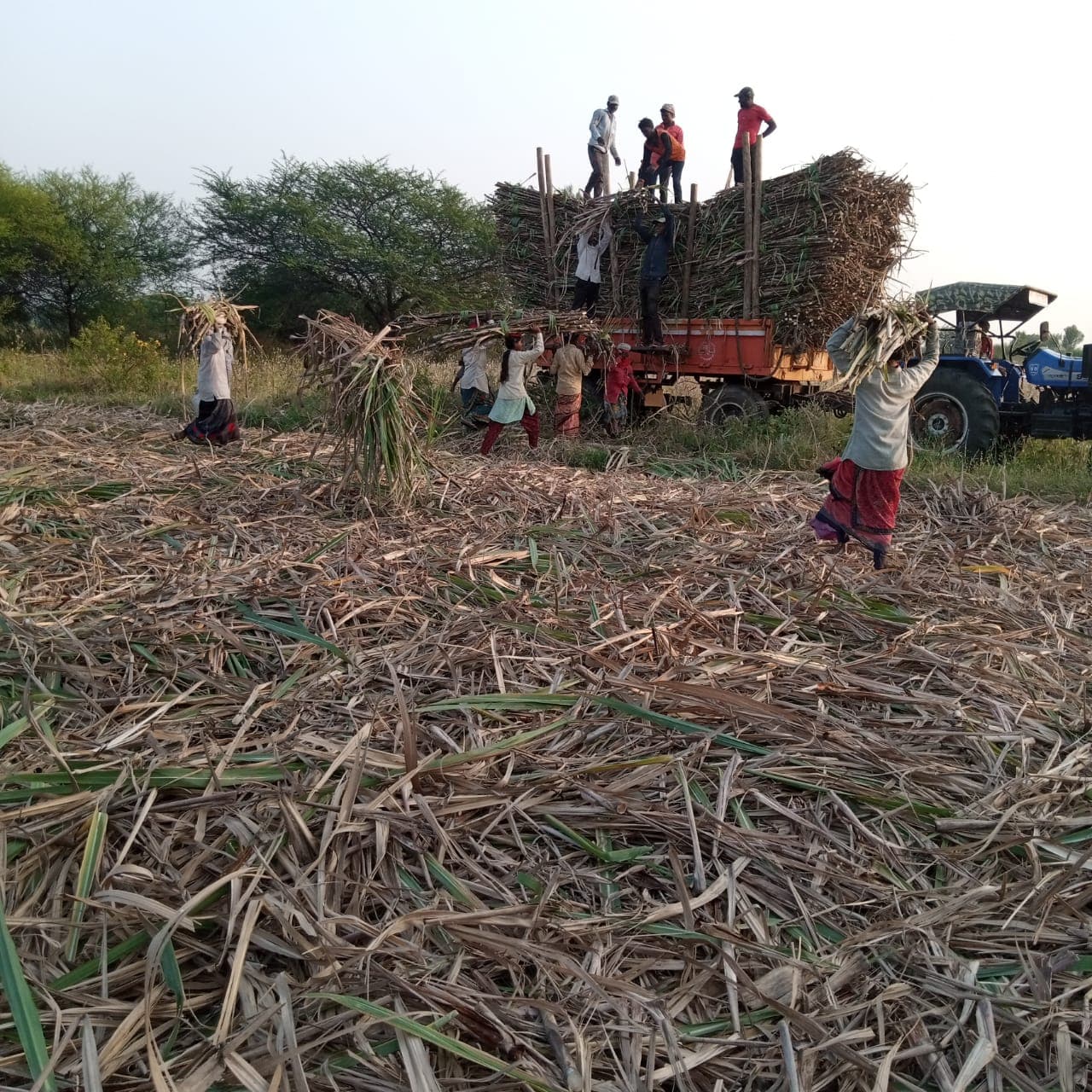
Four fronts, worked at once.
The season's hardship is many problems tangled together. We meet each where it lands, and connect the response so a family is not helped in one hand and failed in the other.
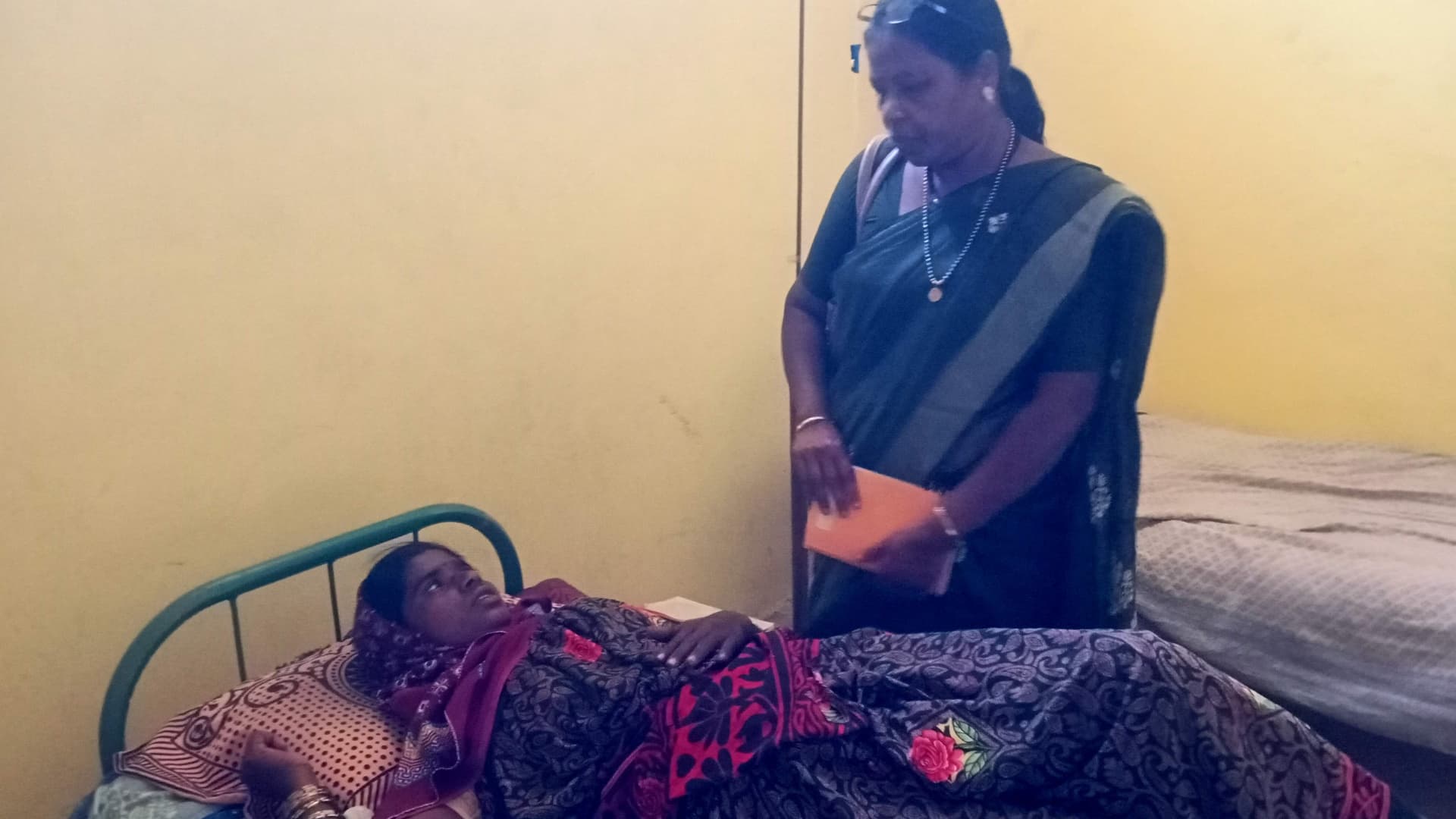
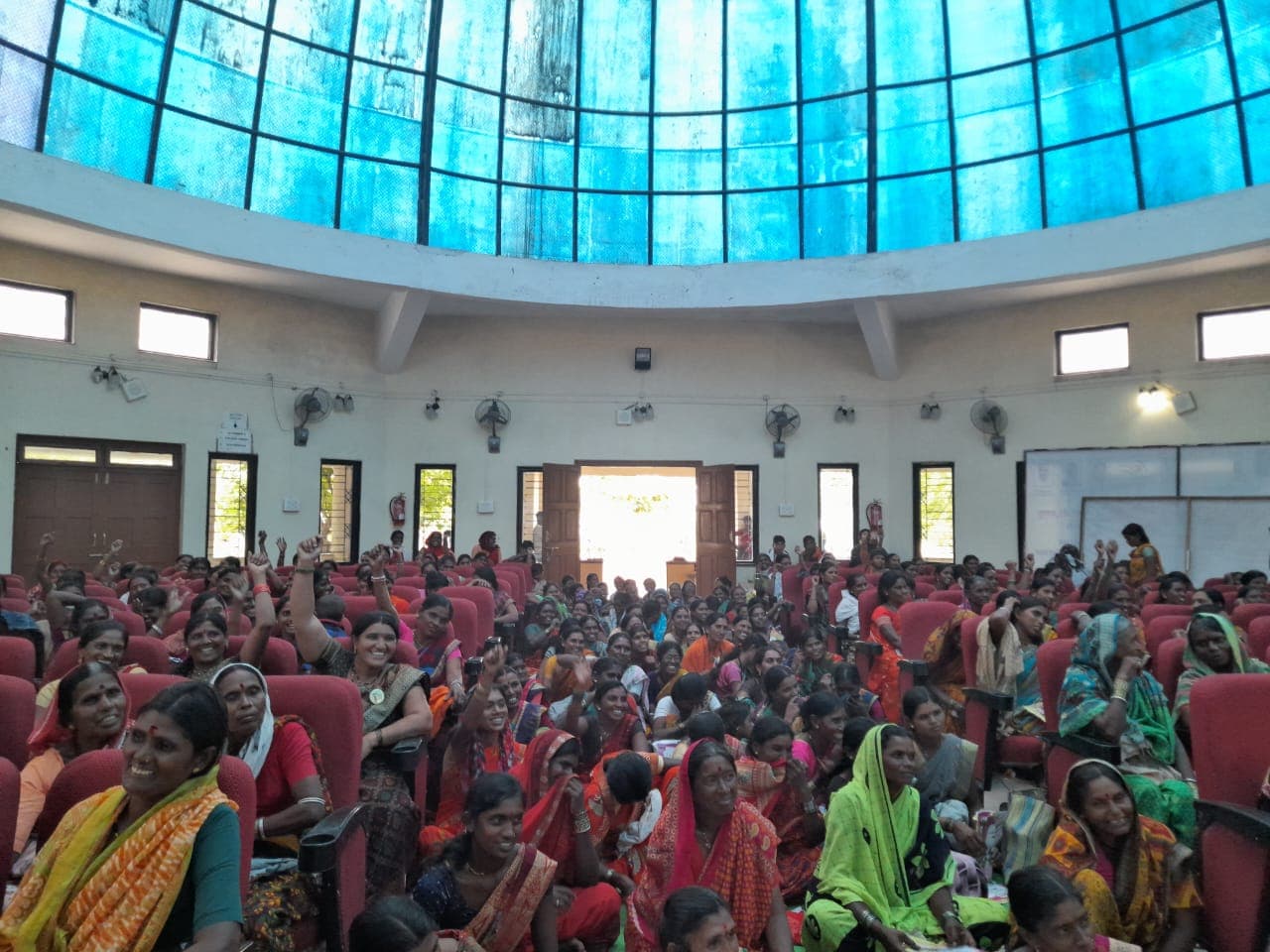
Health & safety for women workers
Care that reaches those who cannot stop working.
The problem
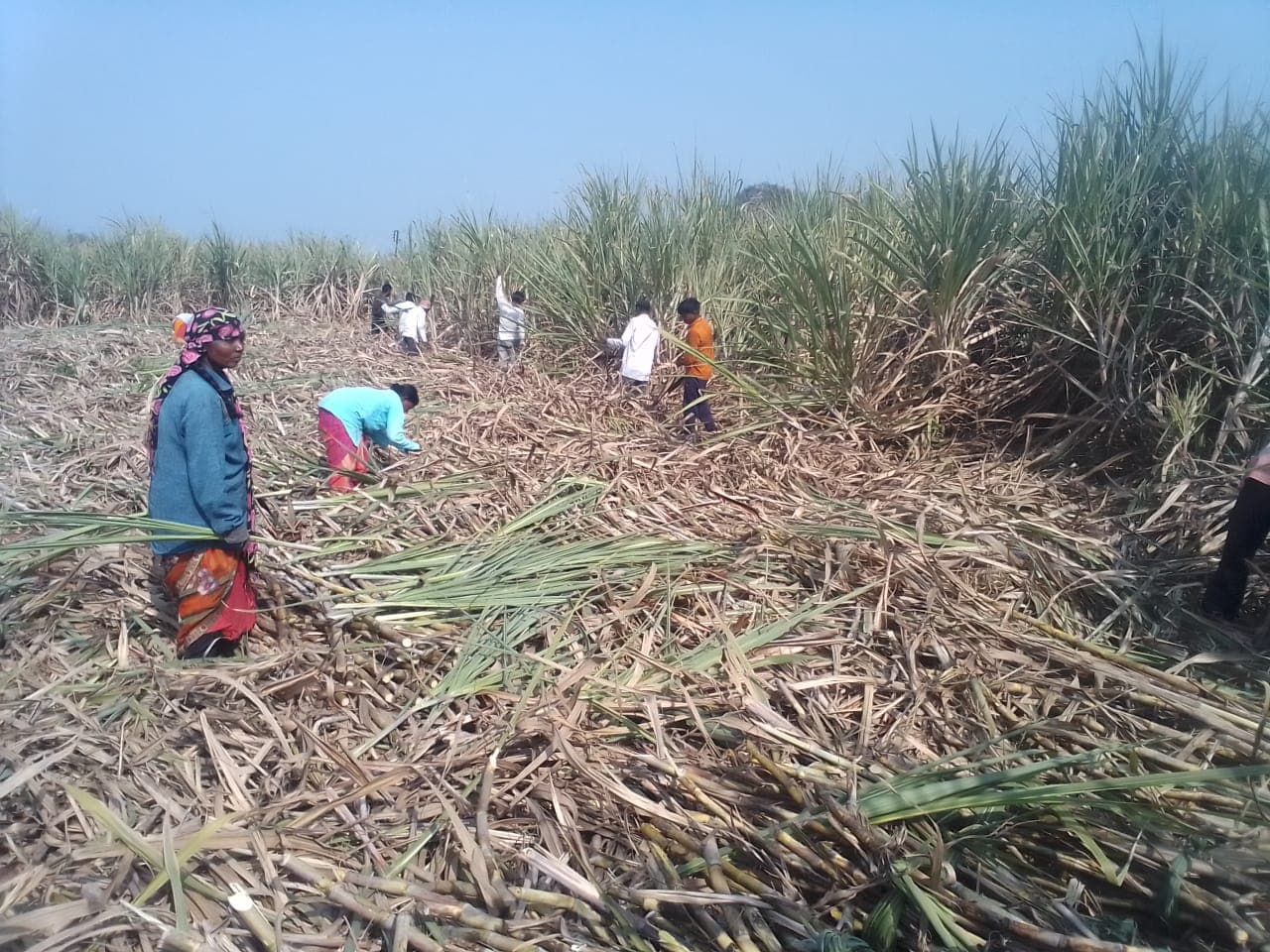
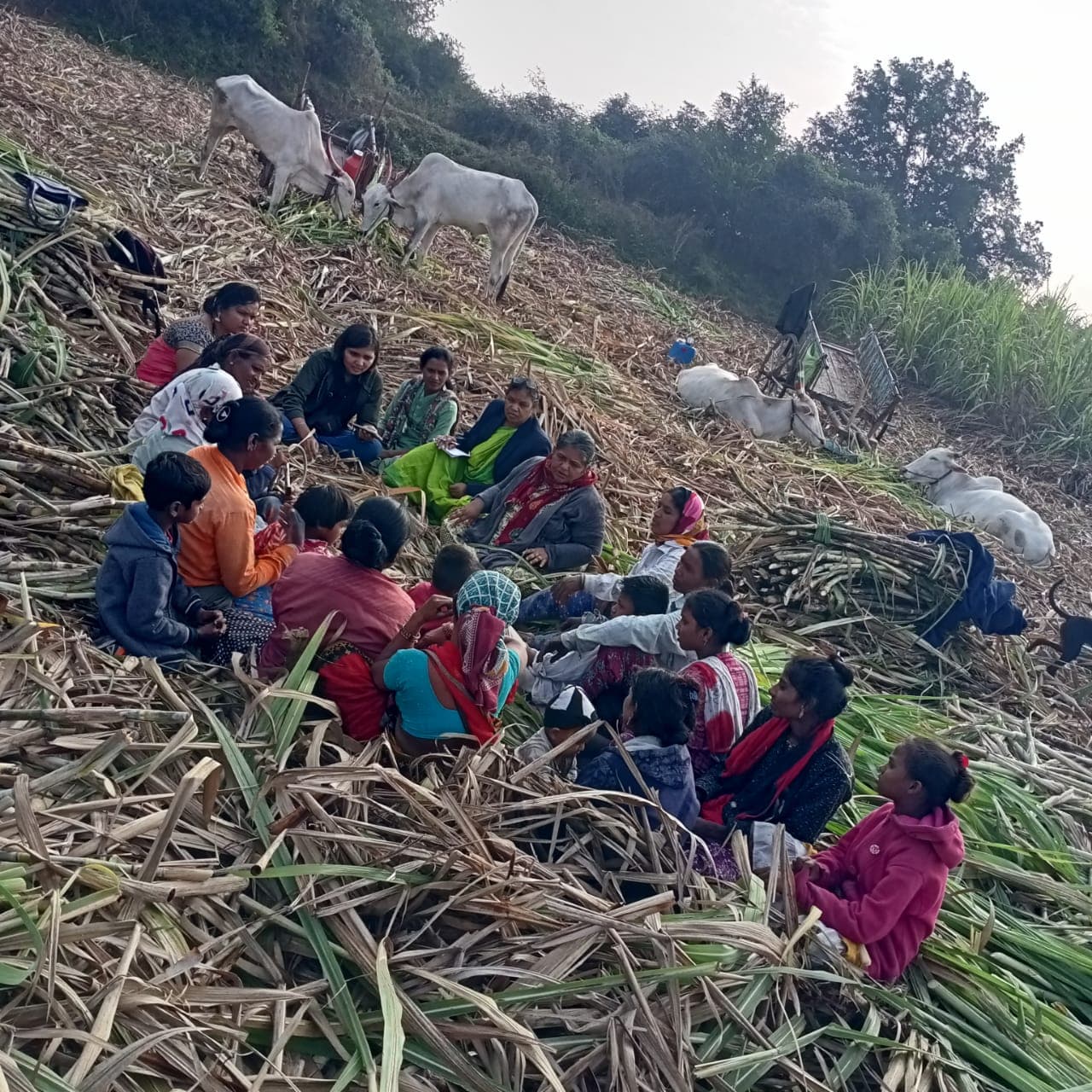
Women cutting cane work twelve-hour days without sanitation, privacy or healthcare. Illness goes untreated because stopping work means losing pay the family cannot spare.
What we do
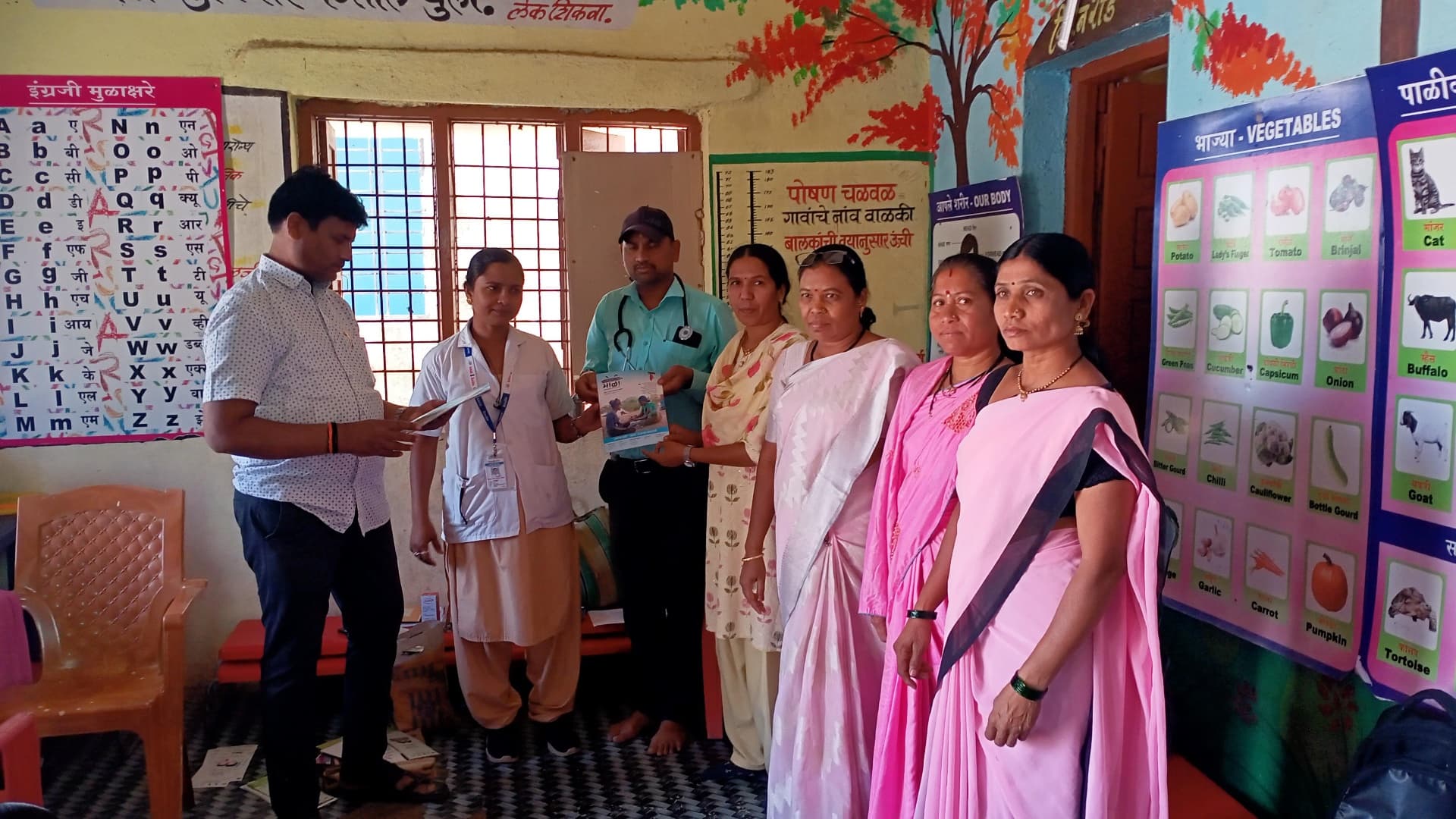
We run mobile health camps that come to the camps and fields, screen and treat women where they are, and organise them to demand safe conditions and fair wages from employers and the state.
- Mobile health camps at the roadside camps and worksites
- Maternal and reproductive health support
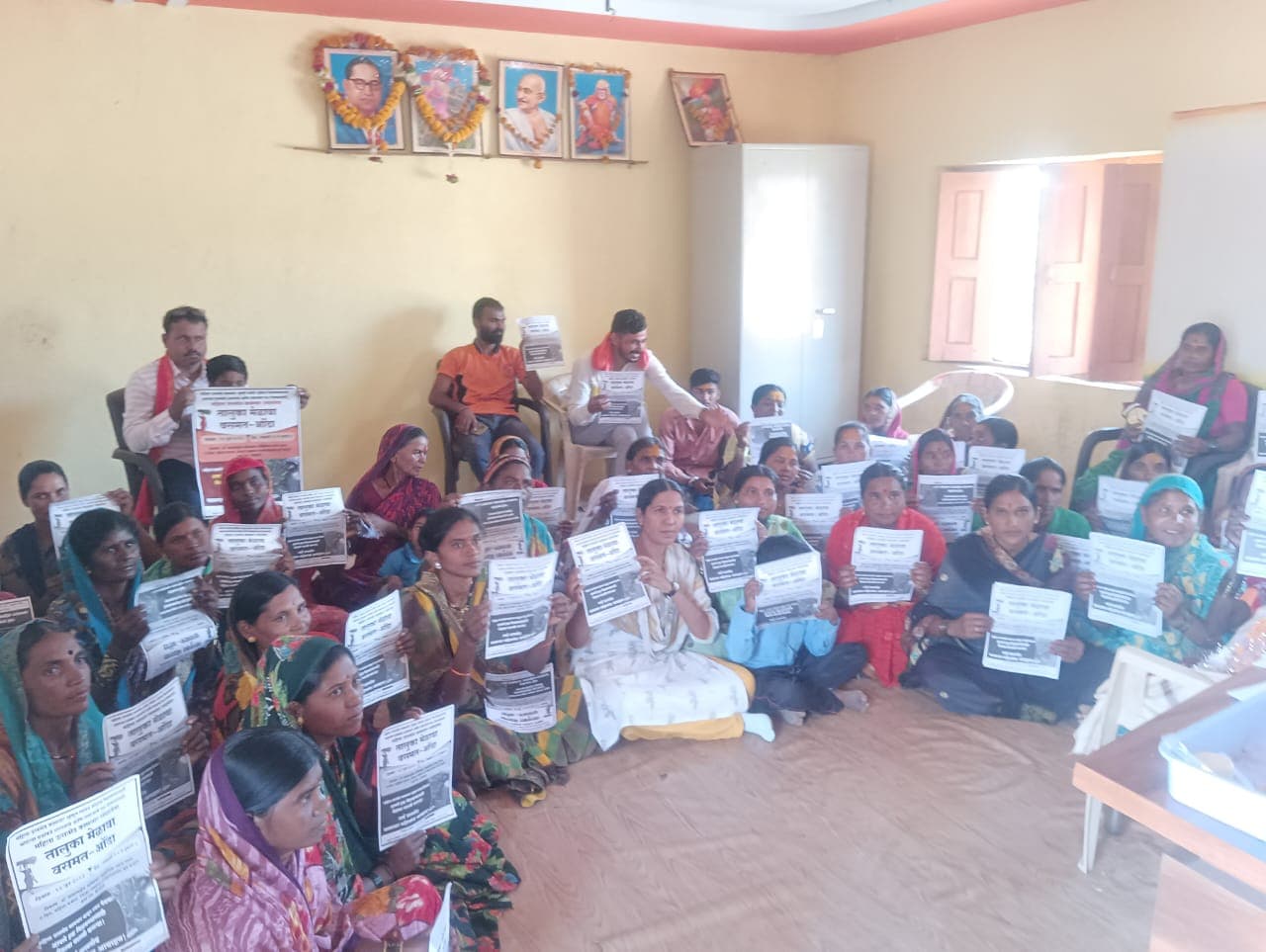
- Safe-work and fair-wage advocacy with employers and officials
- Women's self-help groups that carry the fight forward
Keeping children in school
So migration never ends a childhood.
The problem
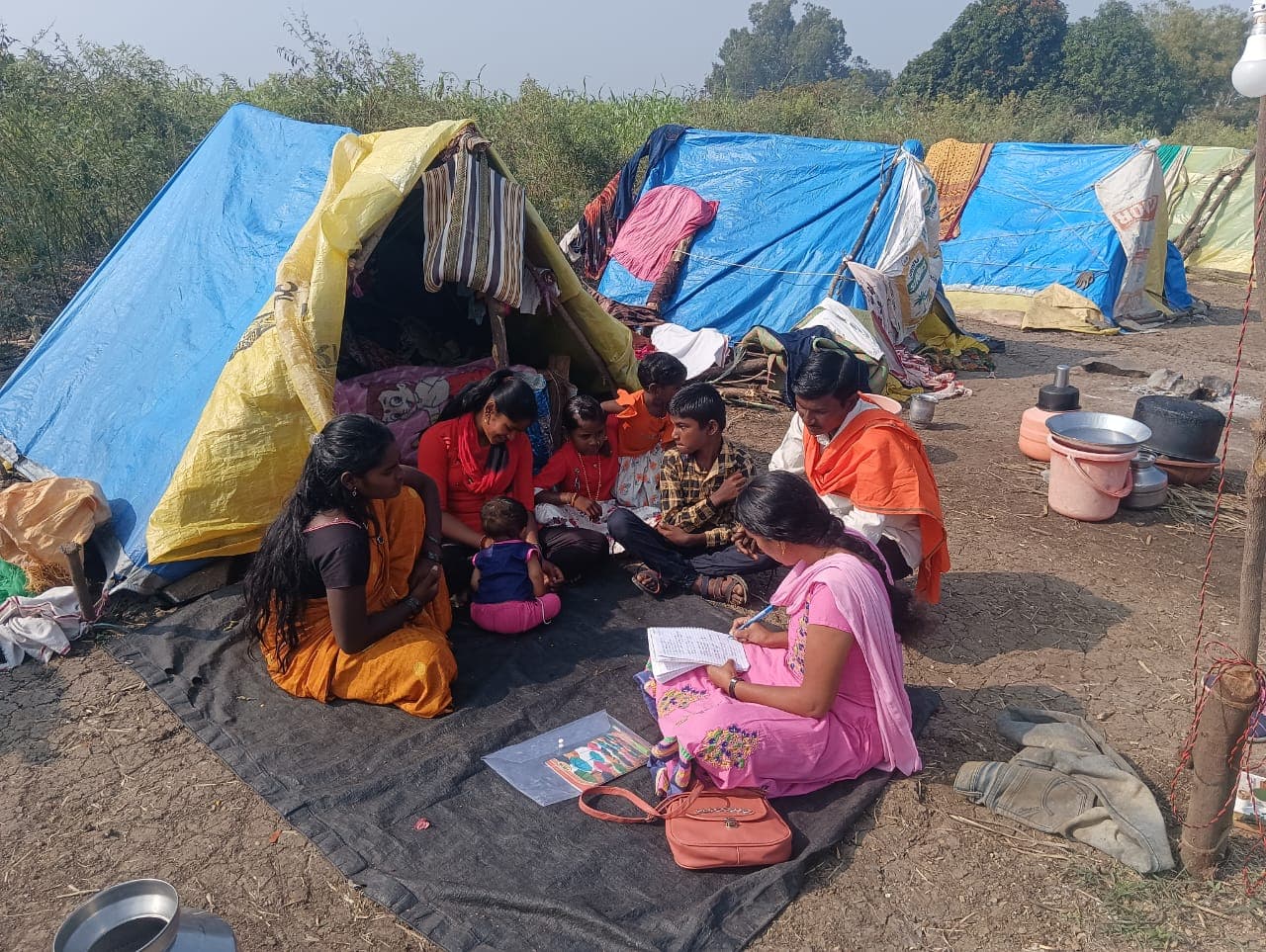
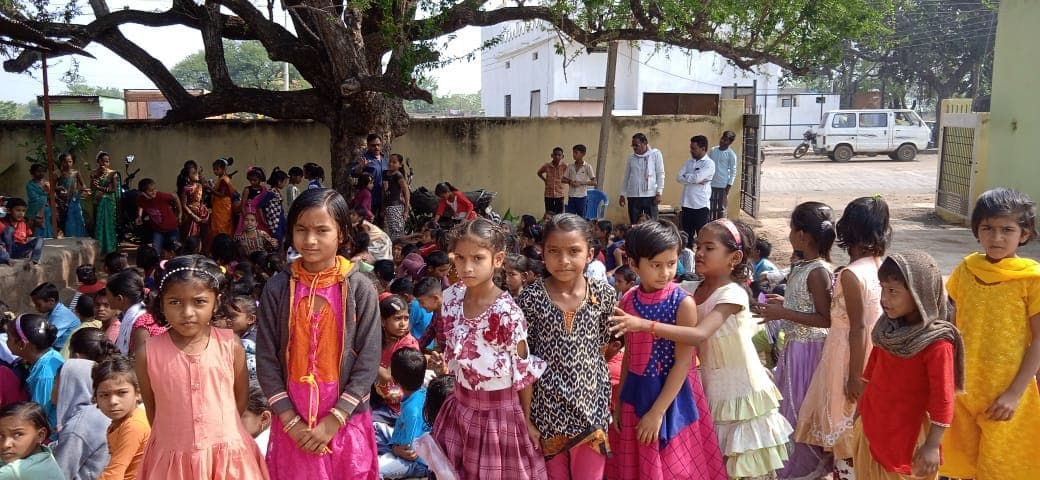
When families migrate for the harvest, children go with them and drop out. Half never catch up; many never return to a classroom at all.
What we do
We run bridge classes near the camps, work with parents and schools to keep enrolment alive through the season, and follow children back to their villages to make sure they return.
- Bridge classes and learning support near the camps
- Enrolment and re-admission drives with local schools
- Working with parents so education outlasts the season
- Nutrition and wellbeing support for young children
Farming that finally pays
Ending the debt that forces the road.
The problem
Traditional farming keeps families in debt and pushes them to migrate for cane work in the first place. The land does not pay enough to stay.
What we do
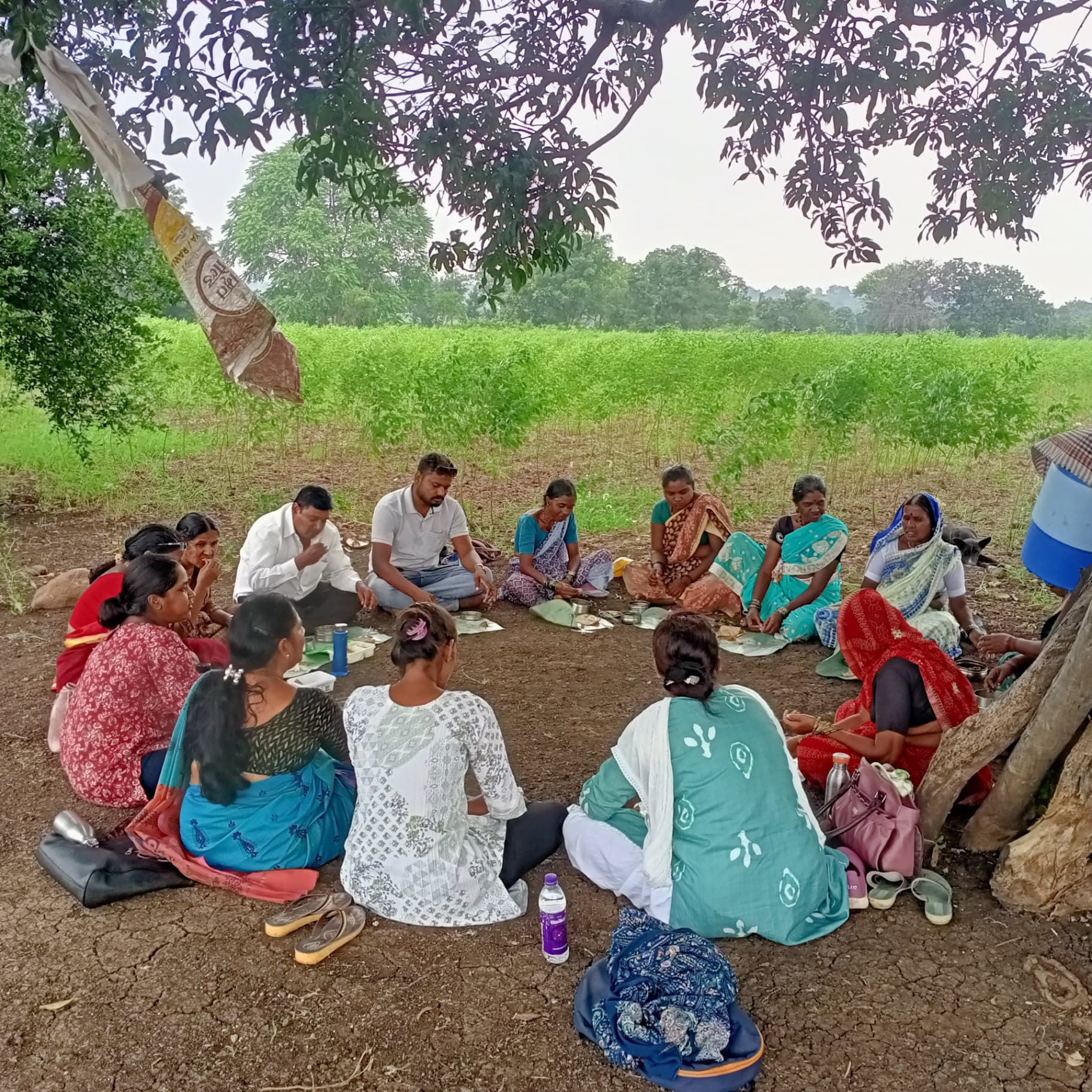
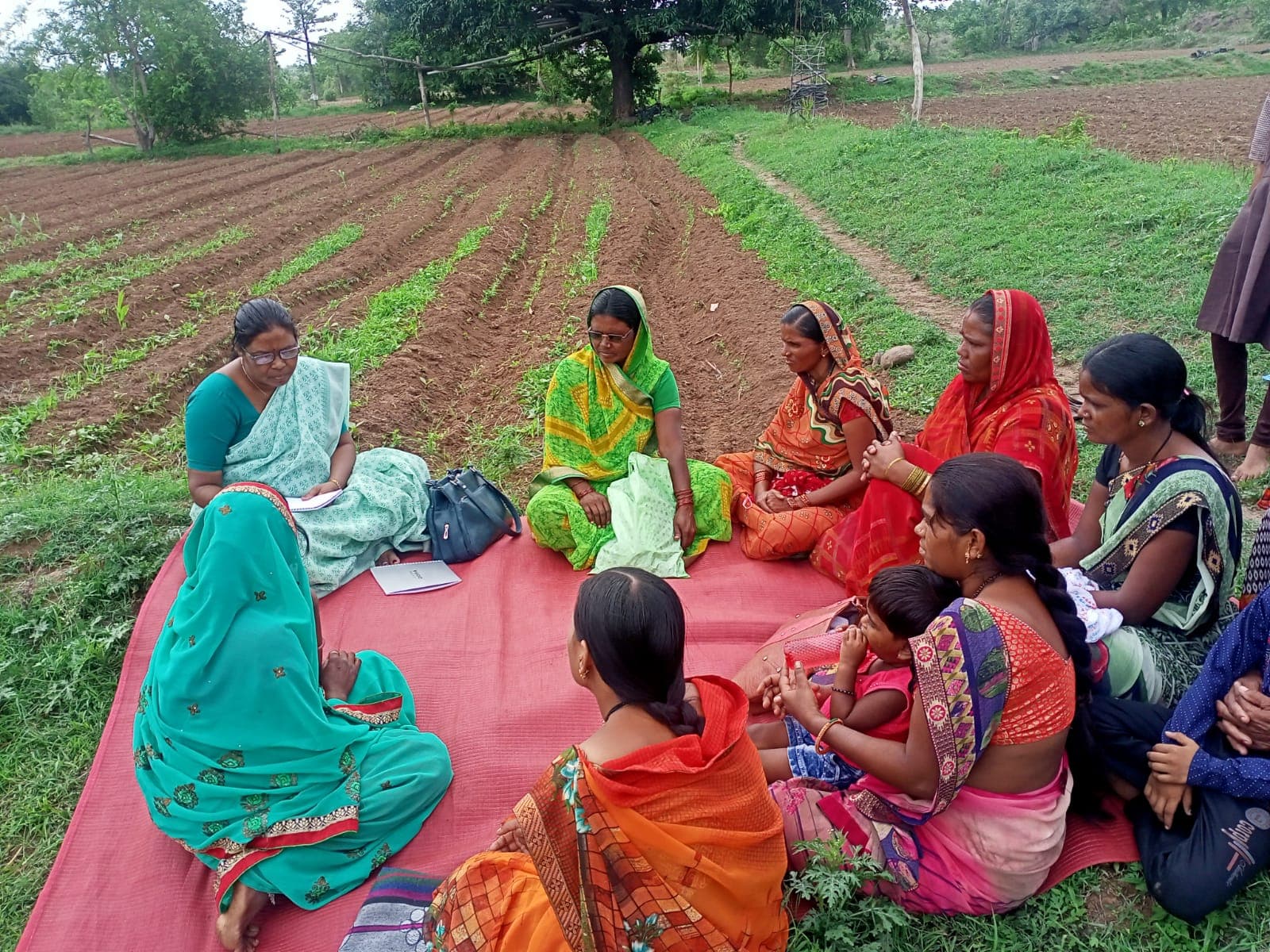
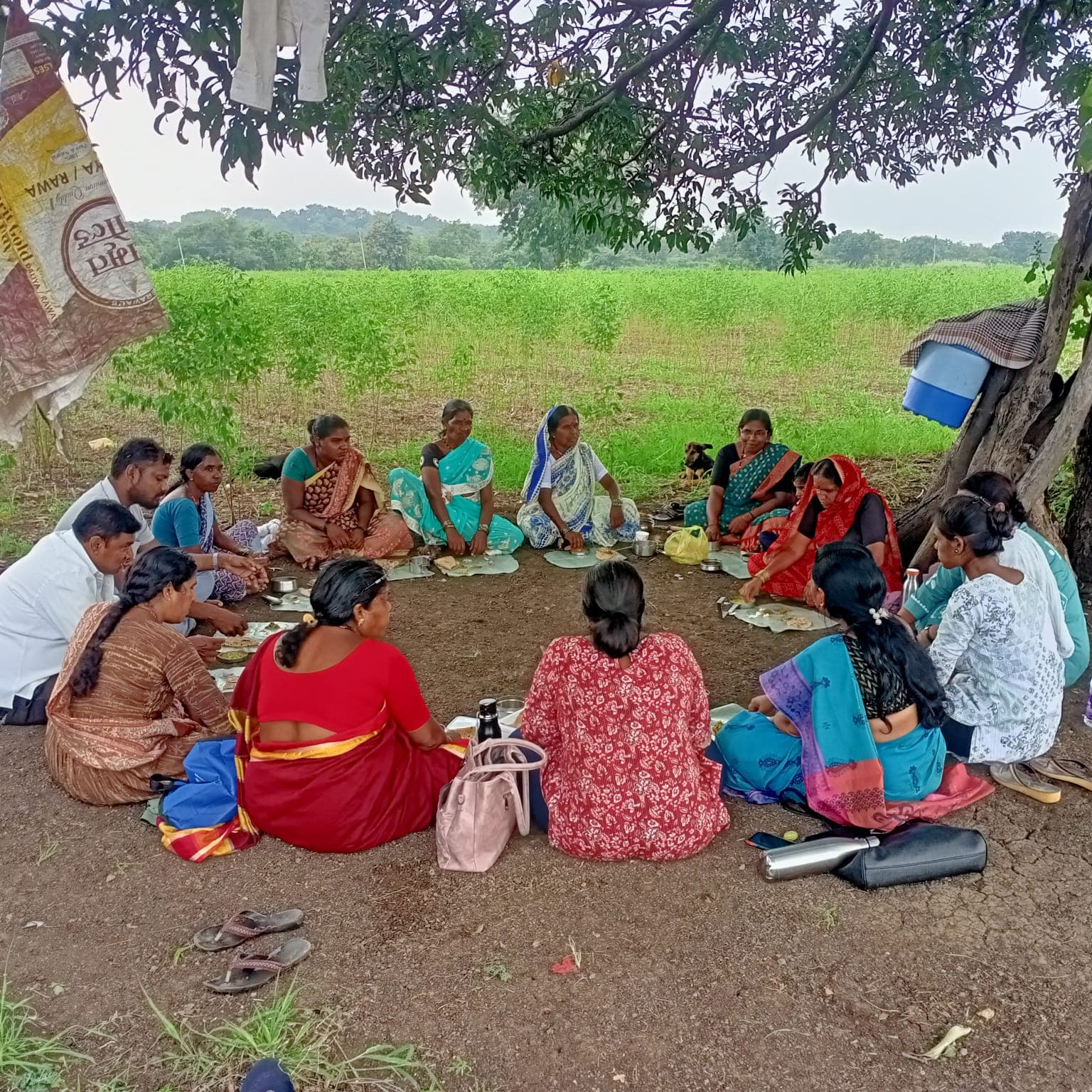
We train farmers in sustainable, lower-cost methods, help form self-help groups and kitchen gardens, and connect households to schemes and markets that raise what the land returns.
- Training in sustainable, lower-cost farming methods
- Self-help groups and household kitchen gardens
- Support to access government schemes and fair markets
- Reducing the debt that drives seasonal migration
There when the floods come
First to arrive, last to leave.
The problem
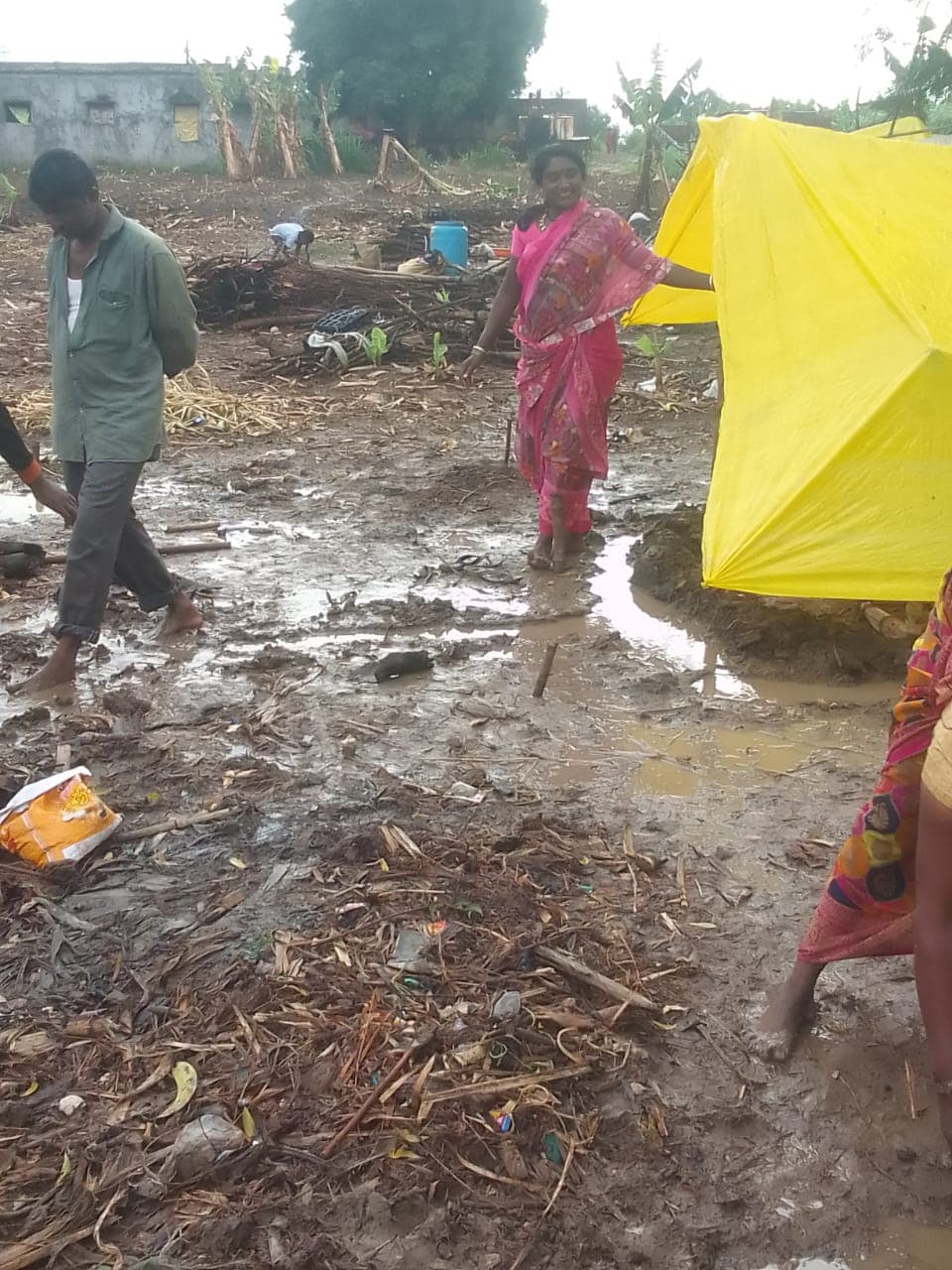
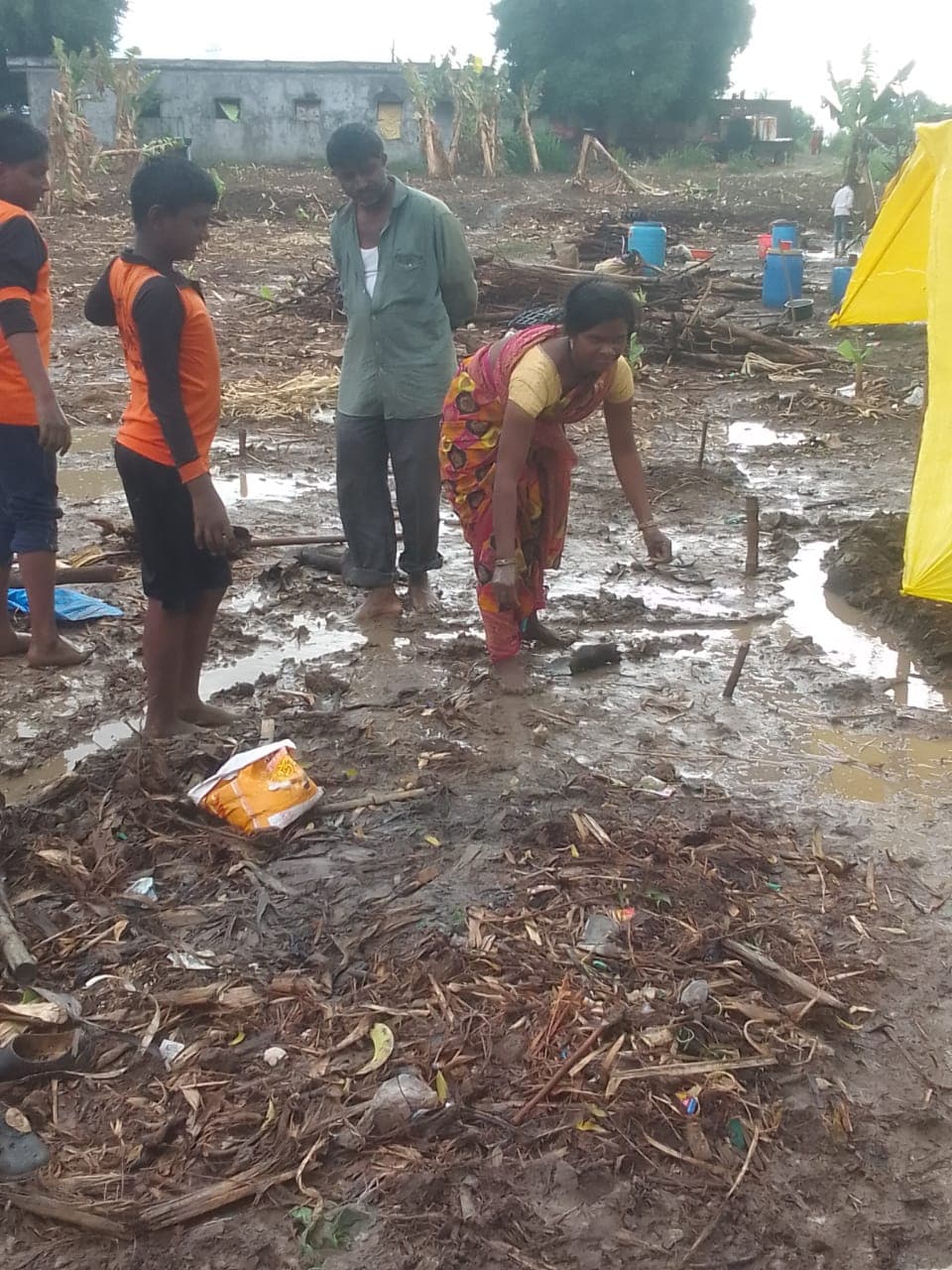
Floods and other disasters hit the poorest families hardest, washing away homes, harvests and the little that was saved.
What we do
We move quickly with emergency relief, then stay for the harder work of rebuilding, helping families recover their homes, their livelihoods and their footing.
- Rapid emergency relief, food, water, essentials
- Support to rebuild homes and livelihoods
- Helping families reach relief they are entitled to
- Standing with communities through recovery
Help us hold all four fronts.
None of this works alone. Your support keeps every front staffed and every family covered.