
The womb and the wage: why 2025 was a turning point in Beed
For years, the removal of a healthy uterus was the price a woman paid to keep cutting cane. This season, for the first time, the state started counting — and screening — before the trucks left.

Archana Ambhore
Treasurer, Abhijeet Sevabhavi
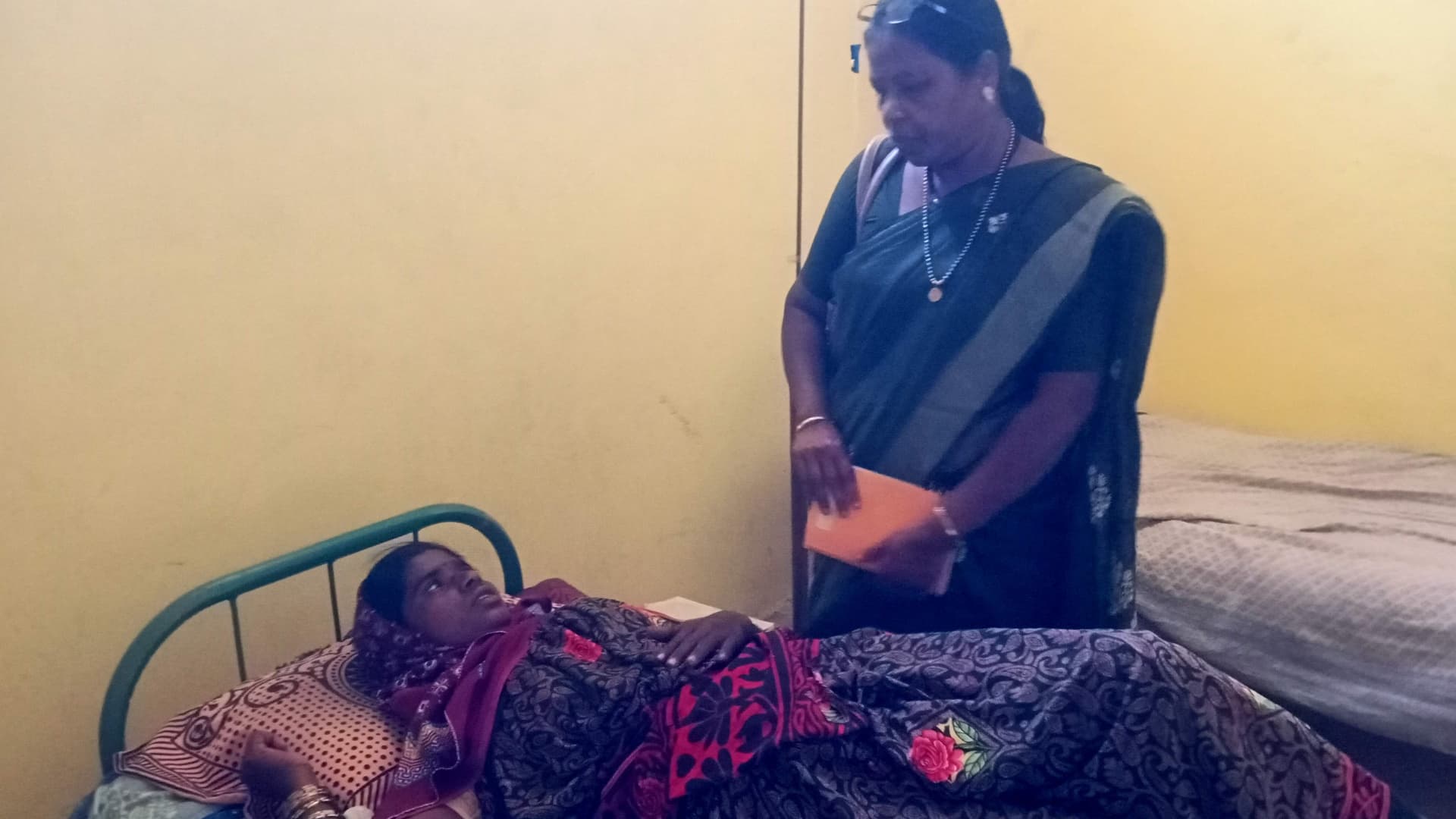
There is a sentence we have heard in too many tents to count. A woman, thirty or thirty-two years old, lifts the edge of her sari, points to a scar below her navel, and says it plainly: "I had it taken out so I could keep working." She is not talking about an illness. She is talking about her uterus, and about a harvest season that does not forgive a single lost day.
For more than a decade, the districts of Marathwada have sent their women to cut the cane that sweetens the country's tea. And for almost as long, a quiet, brutal arithmetic has followed them into the fields: a menstruating body loses hours, a pregnant body loses more, and lost hours mean a fine deducted from an advance the family has already spent. The result has been one of the most disturbing public-health stories in rural India — the mass removal of healthy wombs from women in their twenties and thirties, not for medicine, but for the market.
In 2025, after years of reporting, litigation and pressure from organisations like ours, something finally shifted. For the first time, the state began to count these women before they migrated, and to screen them. It is not a solution. But it is the first time the system has looked the problem in the eye. This is what we saw from the camps.
How a healthy uterus became a business expense
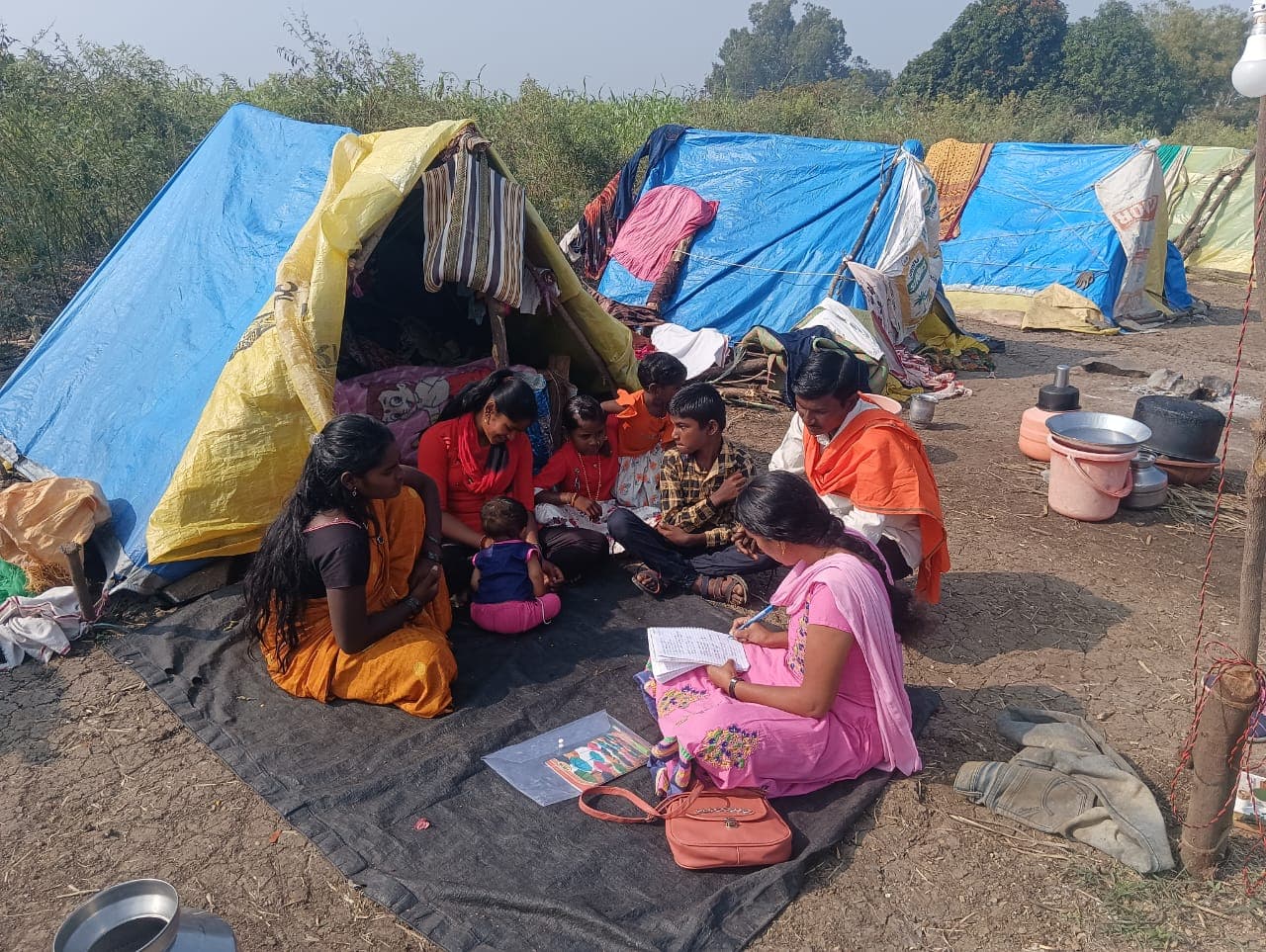
To understand the scale, you have to understand the work. A sugarcane cutter is almost never hired alone. Contractors — the mukadams — recruit in pairs, a jodi, usually a husband and wife, and advance them a lump sum before the season, the uchal, that can run from sixty thousand to a lakh of rupees. That advance is a debt of labour. The couple must cut it off, tonne by tonne, through the six-month season, and every day one of them cannot work, the mukadam docks money from what they owe.
That debt sits on the whole family, but it does not weigh on everyone equally. A man who loses a day loses a day. A woman loses far more, because her body is treated as the unreliable variable in a contract that assumes machines. Every biological fact of being a woman — a period, a pregnancy, the recovery after childbirth — reads, in the mukadam's ledger, as a threat to the tonnage. And so the pressure to erase those facts falls on her alone, in a language of fines and lost advances she did not write and cannot argue with.
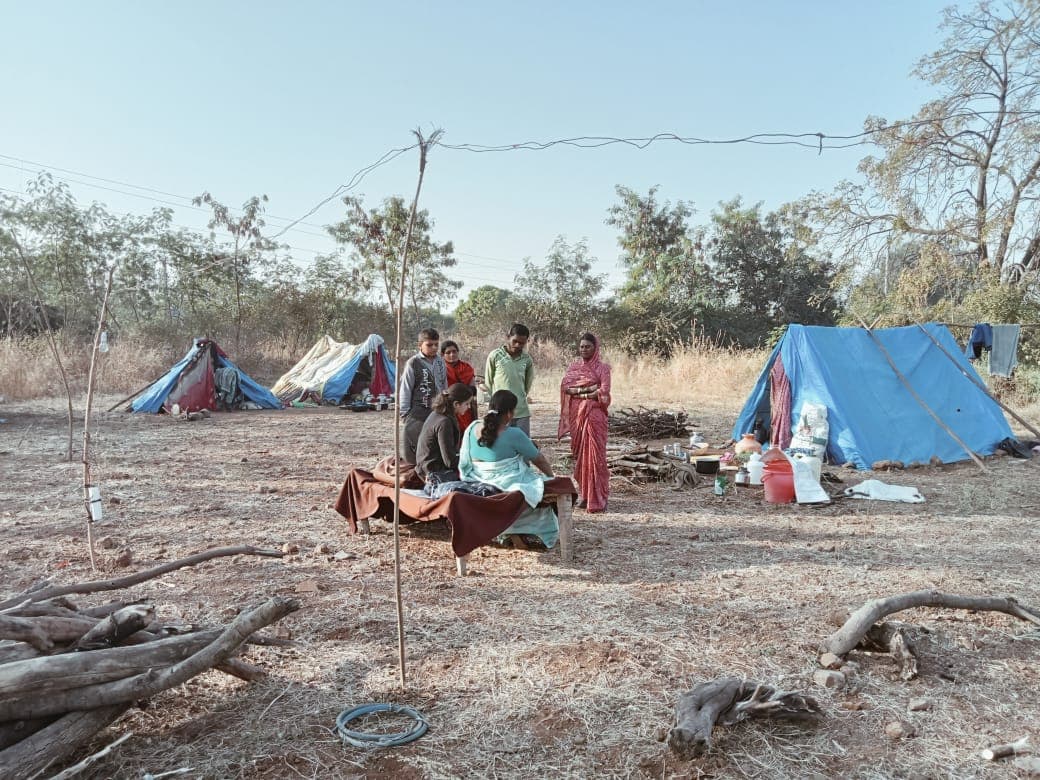
Now place a woman inside that equation. She cuts cane bent double for twelve, fourteen hours. She sleeps in a tarpaulin tent with no toilet and no clean water. When she menstruates, there is nowhere private to change, no clean cloth, no rest — and a fine waiting if she stops. When a doctor in a distant private clinic tells her that a nagging pain or an ordinary infection can be solved once and for all by removing her uterus, the offer can sound less like surgery and more like freedom. No more periods. No more pregnancies. No more lost days. So she signs.
They told me the operation would end all my problems. Nobody told me I would still have the pain, and the debt, and now no womb.
The numbers that emerged over the years were staggering. In Beed alone, a Maharashtra government committee found that 13,861 women had undergone hysterectomies over just three years. A 2024 household survey in the district recorded that more than half of women sugarcane workers — 55.7% — had had the surgery, many before the age of forty. In villages across Beed, it became common to find at least one woman per household without a uterus. Doctors have a grim shorthand for these places: villages of wombless women.
What the surgery leaves behind
The tragedy does not end in the operating theatre. A hysterectomy performed on a woman in her twenties or thirties throws her body into an abrupt, premature menopause decades early. Women who once cut cane from dawn describe the wave of consequences that follows the surgery home: chronic back and joint pain, dizziness, sleeplessness, weight gain, anxiety, and a bone-deep exhaustion that never fully lifts. The organ was removed to make her a more reliable worker; more often it leaves her a less able one, with a lifetime of new ailments to manage on a labourer's income.
There is a bitter economics to it as well. Many of these operations were performed in private clinics far from any oversight, at a cost the family paid out of the very advance they had migrated to earn. A woman could return from a season owing money not only for the cane she failed to cut, but for the surgery that was supposed to help her cut more. The cure was sold to her, and she was billed for it.
None of this happens in a vacuum. It grows directly out of the conditions of the camp. Where surveys have found that almost no families have access to a toilet, and that most women still manage their periods with rags because clean cloth and privacy simply do not exist, menstruation stops being a monthly fact of life and becomes a monthly emergency — painful, unhygienic and impossible to hide in a shared tent. Fix the toilet, the water and the wage, and the surgeon's offer loses most of its terrible logic. That is why we treat sanitation and reproductive health as one fight, not two.
What actually changed in 2025
For years the state's answer was silence, or a committee report that gathered dust. In 2025, under sustained public and legal pressure, the machinery finally began to move — not perfectly, but visibly.
The state's health department reported that, ahead of the harvest, 46,231 women were medically screened before they migrated — the first time such a pre-migration check was attempted at scale. Health cards were issued to women workers so that a record travels with them instead of being lost between districts. And the Health Minister announced vigilance committees to investigate reports of unnecessary or coerced hysterectomies, putting private clinics on notice that the operations would no longer go unexamined.
Alongside the screening, the state reported Women Health Action Groups active in 1,132 villages — local women trained to track who is migrating, who is pregnant, and who is being pushed toward surgery. That last point matters more than it sounds. The exploitation has always thrived in the gap between the village a woman leaves and the field she arrives in. A group that knows her before she goes is a group that can follow up when she returns.
What the reports still miss
Even in the same 2025 findings, the deeper wound stayed visible. Officials recorded 843 women in Beed who had undergone hysterectomies specifically before setting out for the harvest — surgery timed to the season, not to sickness. And 1,523 women were found working while pregnant, cutting and loading cane through a pregnancy that no camp is equipped to protect.
Those two figures, side by side, tell you the truth about the choice these women face. Some remove the organ so the body will never interrupt the work. Others carry a pregnancy into the field because stopping is not affordable. Between those two poles lies a labour system that treats a woman's reproductive life as an obstacle to output — and until that system changes, a health card alone will not save her.
Where Abhijeet Sevabhavi stands
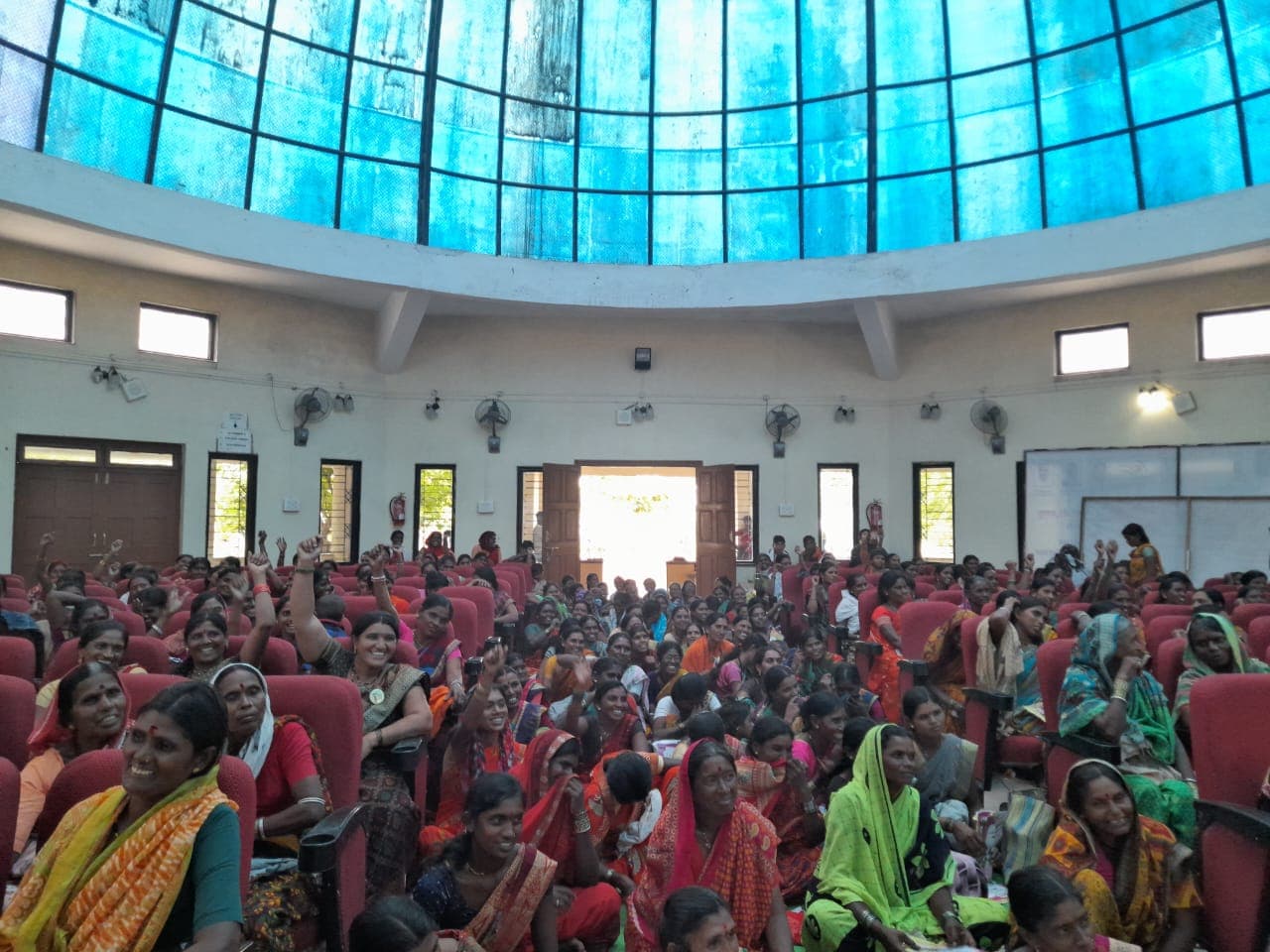
We have worked in these camps since 2013, and our position has not changed: a woman should never have to trade an organ for a wage. The 2025 measures matter because we and others refused to let the numbers be forgotten. But policy written in Mumbai does not reach a tent on the Parbhani–Hingoli road by itself. Someone has to carry it there.
That is the work we do between seasons and during them:
- Roadside health camps that bring gynaecological care, iron and nutrition support, and honest medical advice to the tents — so a woman hears a second opinion before she hears a surgeon's sales pitch.
- Women's self-help groups that keep records, hold savings, and give a woman a collective to stand behind when a mukadam or a clinic pressures her alone.
- Follow-up when families return, using the same relationships that let us know who left — so a health card issued in October still means something in May.
- Advocacy that keeps these figures in front of officials and employers, so that screening in 2025 becomes sanitation, paid rest and honest clinics in the seasons after.
The scar below a woman's navel is not a private misfortune. It is a receipt — proof of what the country has been willing to let the harvest cost. In 2025 the state finally began to read that receipt. Our job, and yours if you choose to stand with us, is to make sure it does not stop reading until no woman ever has to sign that trade again.
- 1Oxfam India — ‘The Human Cost of Sugar’ (Maharashtra case)
- 2Maharashtra government committee findings, reported by ThePrint
- 3IIED household survey on climate change and the hysterectomy crisis, Beed
- 4Free Press Journal — findings on hysterectomies and pregnant workers in Beed
- 5British Safety Council India — ‘A bitter harvest’

Stories change when someone stays.
Everything you read here is work in progress. Stand with the families behind these stories — your support keeps us returning, season after season.